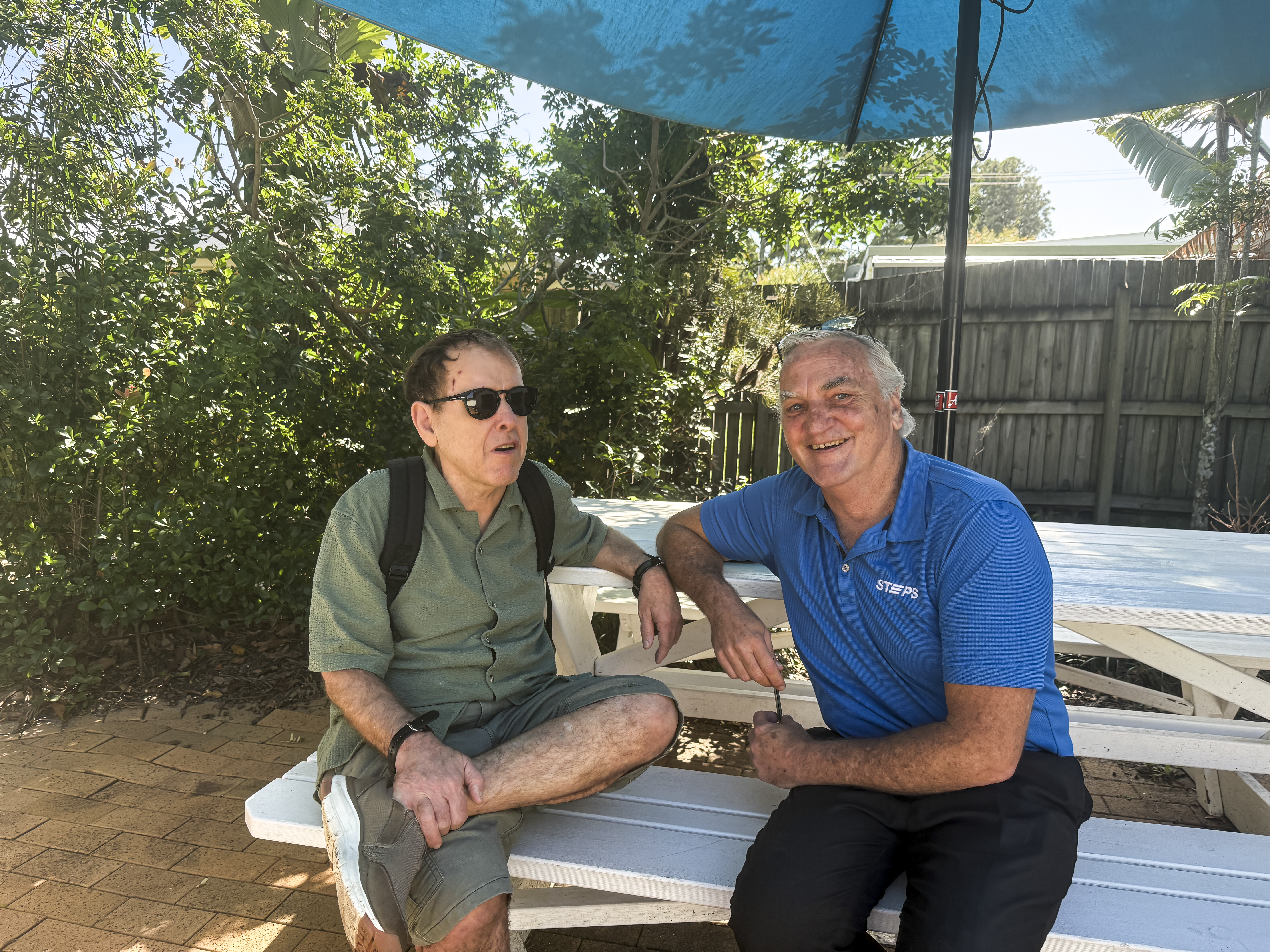
When you hear the word ‘behaviour’, it can be easy to jump straight to ‘bad behaviour.’ But did you know that in psychology, ‘behaviour’ refers to any action you take?
It might be easier to think of behaviour as another way of communicating your needs. When someone is struggling to express themselves, it can show up in behaviours that are hard to understand, especially for people with a disability and autism.
Rather than focusing on what’s ‘wrong’, Positive Behaviour Support (PBS) looks at the whole person; their strengths, their environment, and what they’re trying to tell us. It’s a compassionate and person-centred approach that helps individuals reduce behaviours of concern while developing new skills, improving their independence and supporting a better quality of life.
Families and professionals supporting a person with an NDIS plan can also access Positive Behaviour Support themselves, giving them a clearer path ahead with practical strategies and expert guidance. A path that’s grounded in respect, understanding, and practical strategies for making tangible differences.
At STEPS Community Support, our experienced Behaviour Support Practitioners work side by side with individuals and their support teams to create plans that are meaningful, achievable, and focused on what really matters to them.
Who is Positive Behaviour Support for?
Positive Behaviour Support isn’t a one-size-fits-all approach, but that’s exactly what makes it so effective.
PBS is designed to support children, teenagers, and adults living with a disability and autism who may be experiencing behaviours of concern. These behaviours can include aggression, self-injury, withdrawal, or other actions that make daily life more challenging—not just for that person, but the people who care about them too.
Whether someone is nonverbal and struggling to communicate, overwhelmed by sensory input, or finding it hard to feel safe in certain environments, Positive Behaviour Support can help uncover the reasons behind those behaviours and develop respectful strategies to support them.
More than just reducing behaviours of concern, PBS helps people improve their everyday life. That means helping individuals feel understood, safe, more connected and more independent.
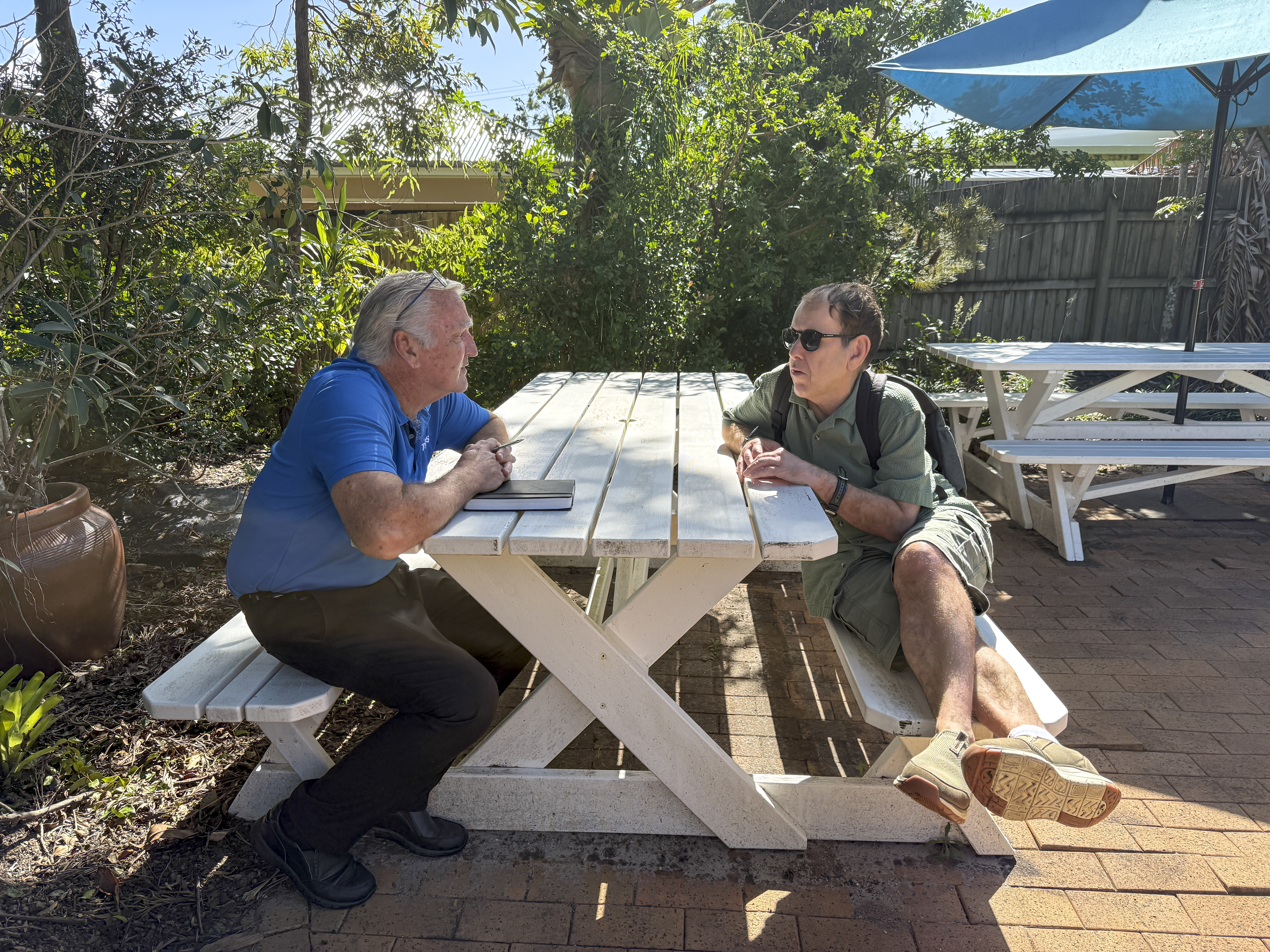
Families, friends, support workers, teachers, and other professionals not only play a big role in the PBS process; they can also access PBS directly to get support tailored to their role in the NDIS client’s life.
At STEPS, we know that collaboration is key. Our Behaviour Support Practitioners work alongside the person and their support network to make sure the plan works practically for their day-to-day life; at home, at school, in the community, or anywhere support is needed.
If you’re supporting someone with an NDIS plan who is showing signs of distress, frustration, or unsafe behaviour, Positive Behaviour Support could be the next step forward.
You don’t need to wait for the person you support to be actively involved. PBS can begin with the people around them, helping you build a safer, more supportive environment from the ground up.
The benefits of Positive Behaviour Support
Positive Behaviour Support can lead to lifechanging outcomes, not just for the person receiving support but for everyone around them. At its core, PBS is about building confidence, strengthening relationships, and making everyday life safer, calmer, and more fulfilling.
Improved quality of life
PBS helps people live the life they want. That might mean feeling more confident in daily routines, being able to enjoy outings with fewer disruptions, or having more positive experiences at home and in the community. When the right supports are in place, people with a disability can thrive.
Reduction in behaviours of concern
One of the most immediate outcomes of PBS is a decrease in behaviours that may cause or harm distress. By understanding the reasons behind certain behaviours and putting proactive strategies in place, people are better supported to manage their emotions and communicate in safer, more effective ways.
Greater independence and communication
PBS helps build the practical skills that lead to more independence; things like following routines, making choices, or using alternative communication methods. For some people, this could mean learning to use visuals or assistive technology, and for others, it’s about gaining the confidence to self-advocate in everyday situations.
Stronger relationships and support networks
When behaviours improve and communication becomes easier, relationships often improve too. PBS encourages collaboration between the individual and their family, carers and support team, creating a more united and consistent environment where everyone feels supported.
People in the client’s support network can also access PBS independently, without the client’s direct involvement.
Inclusion and participation in the community
With the right support, people with a disability and autism can participate more in school, work or community life. PBS helps break down barriers to inclusion by addressing the challenges that may be holding someone back and celebrating their strengths every step of the way.
Why choose STEPS for Positive Behaviour Support?
When it comes to finding the right support for someone you care about, trust is everything. That’s why our Positive Behaviour Support approach is built on compassion, collaboration, and expertise.
We don’t believe in cookie-cutter solutions. Every person is unique, and so are the strategies we create. Our Behaviour Support Practitioners take the time to understand each individual’s environment, strengths, needs and goals. We listen to the people who know them best – their family, friends, carers, teachers, and support workers – and also offer support to them directly.
Here’s what makes STEPS different:
- We’re person-first, always: Everything we do is guided by respect, dignity, and a belief in each person’s potential.
- We’re NDIS ready: As an NDIS support provider, we can help you navigate the system and access the supports you’re eligible for.
- We’re informed and evidence-based: Our team uses proven, ethical practices to support long-term meaningful outcomes.
- We’re local and flexible: With practitioners available across the Sunshine Coast, we tailor our service to suit your location and schedule.
Whether you’re navigating behaviours at home, in school, or out in the community, you don’t have to figure it out alone. With STEPS, you have a team beside you, committed to walking the journey with you and celebrating every win along the way.
Accessing Positive Behaviour Support through the NDIS
We know that navigating NDIS categories and paperwork can feel overwhelming, especially when you’re already focused on daily support. That’s where we come in.
STEPS Community Support helps individuals and families understand what behaviour support looks like under the NDIS and how to get started. We want to make the process easier for you.
You don’t need to be an NDIS client to access Positive Behaviour Support. Family members and care professionals can engage with our services to get expert advice and strategies, even if the individual isn’t actively involved yet.
Not sure if PBS is the right fit or whether you’re eligible? That’s okay! We’re happy to chat, explain your options, and help you take the next step with confidence.
You don’t need all the answers. You just need to start the conversation.
Start your journey with STEPS today
Supporting someone through behaviours of concern can be overwhelming, but with the right support, positive change is possible.
At STEPS Community Support, we’re here to walk alongside you. Our team of experienced Behaviour Support Practitioners and Support Officers work with compassion and respect.
Let’s work together to build a plan that empowers your loved one, supports your family, and leads to real lasting outcomes.
📞 Call our friendly team at 1800 312 742
📧 Email us at customercare@stepsgroup.com.au
🖥 Visit our Positive Behaviour Support webpage for an overview of our services